
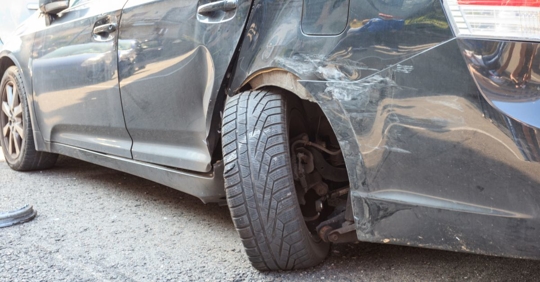
Rental cars offer convenience and freedom, whether you’re on vacation, traveling for business, or simply waiting for repairs on your own vehicle. But an unexpected crash in a rental car can leave you uncertain about your rights, responsibilities, and next steps. Understanding how insurance, state laws, and injury claims work in Florida can help protect you physically, financially, and legally.
Understanding Legal Responsibilities and Liabilities
Understanding Insurance Coverage
Insurance coverage in a rental car accident can be more complicated than most drivers realize. Rental companies typically offer products such as a Collision Damage Waiver (CDW) and Supplemental Liability Protection (SLP). While a CDW can reduce or remove financial responsibility for physical damage to the rental vehicle, it does not provide blanket protection. Exclusions often apply, and failing to follow rental terms could void coverage.
SLP, on the other hand, provides liability protection for injuries or property damage you may cause to others. However, these policies vary widely, making it essential to review the fine print before driving away from the lot.
In many cases, your own personal auto insurance policy may extend to rental vehicles, offering collision and liability benefits similar to those on your primary vehicle. Additionally, some credit card companies include rental car coverage if you use the card to book and pay for the rental. Confirming this coverage beforehand can help you avoid unexpected costs in the event of an accident.
Determining Fault in a Rental Car Accident
After a rental car collision, determining fault becomes central to resolving liability and insurance claims. Florida law enforcement officers typically document the scene, gather statements, and issue a police report. This report often becomes a key piece of evidence used by insurance companies to evaluate fault.
Insurers may consult the police report, witness accounts, photographs, or even accident reconstruction when determining how the crash occurred. Providing complete and accurate information from the start helps ensure your rights are protected and prevents misunderstandings during the claims process.
Immediate Steps to Take After an Accident
Ensuring Safety and Health
Your safety should always come first. Check yourself and others for injuries and call emergency services immediately if anyone is hurt. Stay at the scene, use your hazard lights, and move to a safe location if possible. Even if you feel fine, it is wise to seek medical attention after any collision. Some injuries, including whiplash or soft-tissue trauma, may not be immediately apparent.
Collecting Information and Documenting the Scene
Thorough documentation can significantly impact the outcome of your claim. Exchange contact and insurance information with all involved parties, and gather contact details from witnesses when possible. Photographs of vehicle damage, road conditions, traffic signs, and any contributing hazards help build a clear and accurate picture of what happened. These details will support your interactions with both the rental car company and your insurance provider.
Navigating Insurance Claims
Filing a Claim with the Rental Car Company
Most rental companies require immediate notification after an accident. They may request the police report, written statements, and completed incident forms. Understanding your rental agreement ahead of time helps prevent surprises, especially if fees or penalties may apply for certain types of damage or policy violations.
Dealing with Your Insurance Provider
If your personal or credit card insurance applies, you’ll need to notify your provider promptly. Be prepared to offer detailed information, including photos, timelines, and documentation from the rental company. Rental car claims can involve additional adjusters or requirements, so staying organized is key to a smooth process.
Legal and Financial Implications
Understanding State Laws and Regulations
Florida’s no-fault insurance laws add another layer of complexity. Under this system, you must first turn to your own insurance for coverage of medical expenses, regardless of who was at fault for the crash. However, serious injuries may allow you to pursue additional compensation from the at-fault party. An experienced Florida attorney can help explain these rules and determine the best legal options for you.
Addressing Financial Liability
Even when insurance coverage applies, you may still face deductibles, out-of-pocket costs, or rental company fees. If the other driver is uninsured or underinsured, your own policy may need to fill the gap. Understanding your coverage limits ahead of time can help you avoid unexpected financial burdens.
Handling Personal Injuries and Medical Bills
If you were injured, prompt medical care and thorough documentation of your treatment not only protect your health, but they also strengthen your injury claim. Medical records, diagnostic tests, and follow-up appointments create a clear link between the accident and your injuries, helping ensure you receive fair compensation for medical expenses, lost wages, and pain and suffering.
The Florida Law Group Is Here For You After a Rental Car Accident
A rental car accident can leave you overwhelmed with questions about insurance, liability, and your rights under Florida law. You don’t have to navigate this process alone. At The Florida Law Group, our experienced personal injury attorneys are here to guide you through every step and help you pursue the compensation you deserve. If you’ve been injured in a rental car accident, contact us to learn how we can support your recovery.