
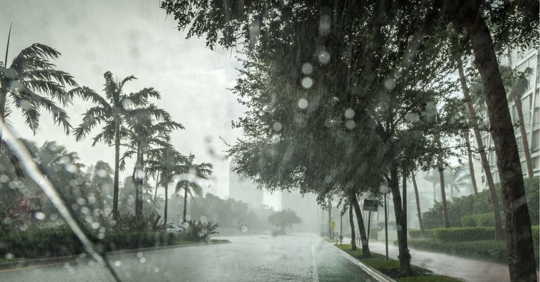
Florida’s roads pose challenges unlike anywhere else in the country. While the Sunshine State enjoys warm temperatures year-round, it is also home to sudden storms, heavy humidity, and rapidly changing weather patterns that can turn a routine drive into a dangerous situation. For truck drivers operating massive commercial vehicles, these conditions can significantly impact visibility, maneuverability, and braking ability, ultimately influencing how liability is determined in the event of a crash. Understanding how Florida’s weather affects trucking accidents is essential for anyone seeking clarity after a collision.
Florida’s Unpredictable Weather and Its Effect on Road Safety
Florida’s subtropical and tropical climate is characterized by frequent rainstorms, afternoon downpours, and extended periods of high humidity. These conditions can make road surfaces slick and reduce traction, even for experienced truck drivers. Sudden thunderstorms, which are especially common during the summer months, can quickly diminish visibility and create hazardous driving conditions that require immediate adjustments.
Beyond rain, Florida also faces seasonal threats, including tropical storms and hurricanes. High winds, flying debris, and flooded roadways can severely disrupt travel routes. In many of these situations, truck drivers must make difficult judgment calls, such as whether to slow down, pull over, or continue driving. These decisions can later factor into liability if an accident occurs.
Road infrastructure is also impacted by Florida’s weather extremes. Heat and moisture contribute to the formation of potholes, eroded pavement, and worn lane markers, all of which present unique challenges for large vehicles. When a truck loses control due to uneven or damaged roads, determining who bears responsibility becomes a multifaceted analysis.
How Weather Influences Liability in Florida Truck Accidents
Because Florida follows a no-fault insurance system, injured drivers typically turn to their own insurance first for initial medical coverage. However, truck accidents often result in severe injuries and significant property damage, making fault-based claims a crucial part of pursuing full compensation.
Weather conditions can become a crucial factor in determining whether a truck driver, or another party, failed to act reasonably under the circumstances. While heavy rain or fog may contribute to a collision, poor weather does not automatically excuse negligent behavior. A truck driver may still be held liable if they:
- Drove too fast for the weather conditions
- Failed to maintain proper following distance
- Did not use headlights or hazard lights appropriately
- Ignored warnings or radar alerts about severe weather
Florida also applies comparative negligence, meaning multiple parties can share responsibility. For example, if both adverse weather and a truck driver’s speed contributed to the crash, fault may be divided accordingly. Insurance companies often scrutinize these details closely, sometimes using weather as a reason to minimize payouts, which can complicate an already stressful situation.
Challenges in Proving Weather-Related Liability
Demonstrating how weather contributed to an accident can be a complex process. Heavy rain or wind can hinder evidence collection, obscure roadway markings, and influence witness recollections. Law enforcement reports, photographs, and available video footage may not always capture the full scope of conditions at the time of the crash.
In many cases, expert input becomes essential. Accident reconstruction specialists and meteorologists can help clarify how weather factored into visibility, stopping distance, and vehicle control. Their insights often strengthen a legal claim when insurance companies attempt to argue that a collision was simply unavoidable.
Protecting Yourself After a Weather-Related Truck Accident
While truck drivers and companies are expected to take reasonable precautions, accidents can still occur, even when weather conditions play a significant role. If you or a loved one has been hurt in a truck accident during adverse weather, understanding your rights is crucial. The legal and insurance processes can be overwhelming, especially when multiple factors influence liability.
At The Florida Law Group, our experienced attorneys understand how Florida’s weather complicates truck accident cases. We are committed to protecting your rights, pursuing full compensation, and holding negligent parties accountable for their actions. Contact us to schedule a consultation and learn how we can help you move forward with confidence.